The Emerald Buddha: History & Significance
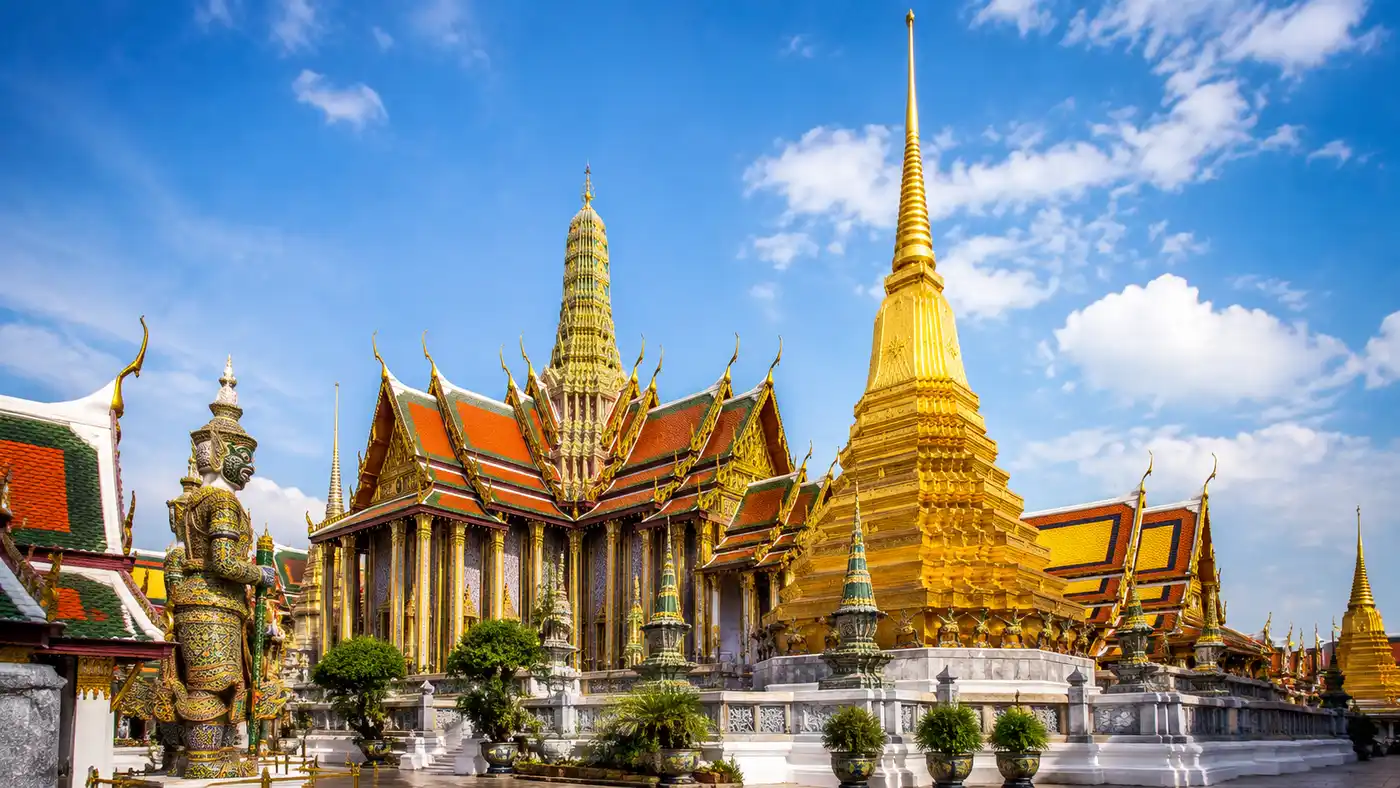
Stepping into the temple housing the emerald buddha for the first time is an experience you really don't forget. It's a quiet, reverent hush that falls over you, even with all the other visitors. You're inside Wat Phra Kaew, which is actually part of the Grand Palace complex in Bangkok. This isn't just any statue; it's a sacred object, a national palladium, and a symbol of the Thai monarchy. We'll talk about its mysterious origins, how it journeyed across Southeast Asia, and why it holds such a special place in the hearts of Thai people. This article will also cover practical advice for visiting, explaining what to expect when you finally get to see the famous Phra Kaew Buddha up close. It’s a truly captivating piece of history.Book your wat phra kaew temple experience:
The Temple of the Emerald Buddha: A Sacred Space
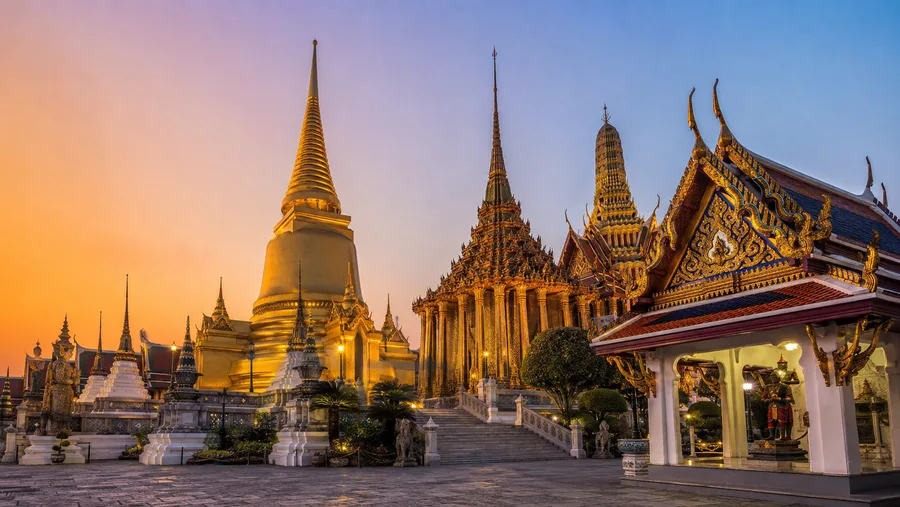
The full name for the temple is Wat Phra Sri Rattana Satsadaram, but everyone just calls it Wat Phra Kaew, the Temple of the Emerald Buddha. It’s a massive complex, honestly, much bigger than I anticipated before my first visit. King Rama I, the founder of the current Chakri dynasty, had it built right there within the grounds of the Grand Palace when he moved the capital to Bangkok in 1782. He wanted a dedicated home for this incredibly important buddha statue. You understand the significance of this place the moment you walk through the gates. The architecture is just stunning, gold leaf everywhere, intricate murals depicting the Ramakien epic, and towering chedis. It's truly a showcase of Thai artistry and faith. The temple isn't just a place of worship for everyday people, it serves as a royal chapel. This means no monks live here. It's maintained by the royal household.Pro tip: Dress code is strictly enforced at Wat Phra Kaew. Shoulders and knees must be covered for both men and women. You can buy or rent appropriate clothing outside the entrance, but it is better to come prepared. I saw someone turned away for wearing shorts, even though they were quite long.
The Mysterious Journey of the Phra Kaew Buddha
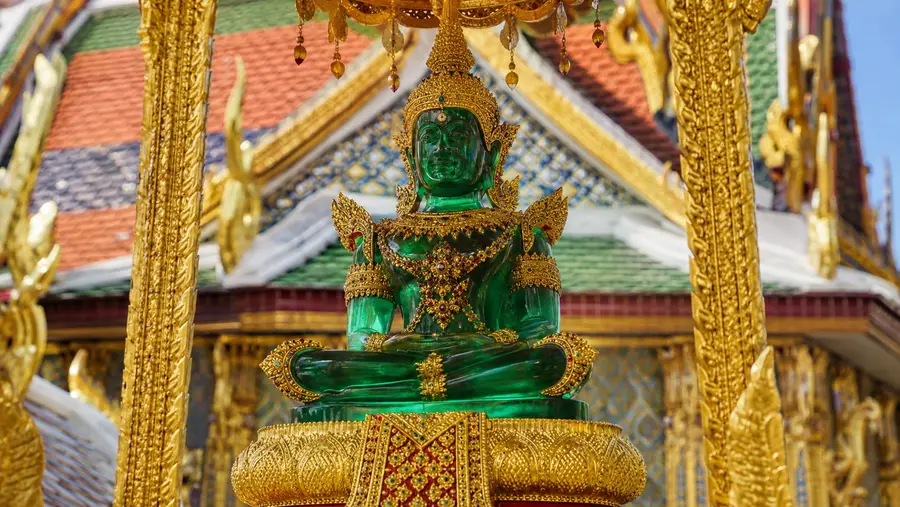
The true origins of the emerald buddha are shrouded in legend, which is part of what makes its story so compelling. One popular tale says it originated in India, created by Nagasena in 43 BC. It supposedly stayed there for about 300 years before making its way to Sri Lanka, then eventually to Cambodia. The story gets a bit clearer when it appears in Chiang Rai, northern Thailand, in 1434. It was apparently discovered inside a chedi that had been struck by lightning. The statue was covered in stucco, and when the stucco chipped off, the beautiful green stone was revealed. From Chiang Rai, it traveled to Lampang, then Chiang Mai, where it resided for about 80 years. The statue was then taken to Luang Prabang in Laos, and later to Vientiane, also in Laos, after a king from Chiang Mai became ruler there. It remained in Laos for over 200 years. King Rama I, while still a general, brought the buddha emerald back to Thailand after capturing Vientiane in 1779. It was initially housed in Wat Arun on the Thonburi side of the Chao Phraya River, then moved to its permanent home in Wat Phra Kaew in 1784. It's a fascinating journey, really, spanning centuries and kingdoms. Honestly, it makes you wonder about all the other historical treasures that have similar epic tales.The Royal Robes and Seasonal Changes
One of the most unique aspects of the thai emerald buddha is its three sets of elaborate gold clothing. These robes are changed three times a year, marking the changing seasons in Thailand: the hot season, the rainy season, and the cool season. This isn't just a ceremonial act. It's a crucial ritual performed by the King of Thailand himself, or a senior member of the royal family. I remember seeing the cool season robes once. They are incredibly detailed, made of pure gold and jewels. Each set has a distinct design. This ritual is meant to bring good fortune to the country for the upcoming season. It’s a deeply spiritual practice, reflecting the close ties between the monarchy and Buddhism in Thailand. Here are the approximate times for the robe changes, though exact dates can vary:- Hot Season: Around March.
- Rainy Season: Around July.
- Cool Season: Around November.
Note: Photography inside the Ubusot, where the Emerald Buddha resides, is strictly forbidden. You can take photos in the surrounding temple grounds, but be respectful and avoid pointing your camera directly at people praying or monks. Security guards are vigilant about enforcing this rule.
Book your wat phra kaew temple experience:
Visiting the Grand Palace and Emerald Buddha
Visiting the Grand Palace and Emerald Buddha is a must-do for anyone coming to Bangkok. It's a sprawling complex, and you could easily spend 2-3 hours just wandering around. The sheer scale and beauty are breathtaking. I always tell friends to go early, like right when it opens at 8:30 AM. It gets very crowded, very quickly, with tour groups arriving by the busload. For a full guide on visiting, including ticket information and tour options, you might find this article useful: Grand Palace & Wat Phra Kaew: Tickets, Hours & Tours. When you enter the main hall, the Ubusot, for the phra kaew buddha, you'll need to take off your shoes. There are designated shoe racks outside. Everyone sits on the floor, facing the altar. It’s a very peaceful atmosphere despite the number of people. You’ll see local Thais praying, offering flowers, and making merit. It’s a wonderful opportunity to observe a significant part of Thai culture. The entire Grand Palace complex is a UNESCO World Heritage site, and the temple of the emerald buddha is its crown jewel. You can learn more about its fascinating royal history on our main site about traveling in Thailand. The detail in the murals depicting the Ramakien, the Thai national epic, is incredible. These stories are painted all along the cloister walls surrounding the temple. Take your time to really look at them; they tell a rich, vibrant narrative. Here is some general visitor information for the Grand Palace complex, which includes the Emerald Temple:| Item | Details |
|---|---|
| Opening Hours | Typically 8:30 AM - 3:30 PM daily (last entry at 2:30 PM) |
| Ticket Price | Around 500 Thai Baht (for foreigners, includes access to Vimanmek Mansion) |
| Estimated Visit Time | 2 to 3.5 hours |
| Dress Code | Strictly enforced (shoulders and knees covered) |
| Location | Phra Nakhon, Bangkok (next to Chao Phraya River) |
The Significance of the Emerald Buddha Bangkok
The emerald buddha bangkok is more than just a beautiful statue; it's a powerful symbol. For the Thai people, it represents the legitimacy of the monarchy and the prosperity of the nation. It's believed to bring good fortune and protection to Thailand. Its presence in the Grand Palace signifies the King's role as both a temporal and spiritual leader. Throughout its long history, this buddha statue bangkok has been seen as a protector. Kings have fought wars over it, and its location has always been tied to the capital city of the reigning kingdom. When King Rama I established Bangkok as the capital, bringing the Phra Kaew Buddha with him was an act of profound symbolic importance, solidifying his rule and ensuring the new city's auspiciousness. It really is an object of deep veneration. When you see people bowing, offering respects, and sitting in quiet contemplation, you grasp the profound connection they have to this sacred image. It’s a central part of Thai identity and heritage, something truly unique to experience. The temple of the emerald buddha wat phra kaew stands as a testament to centuries of faith, artistry, and national pride.Quick Reference
- Carved from dark green jasper or jade.
- Stands 66 cm tall.
- Housed in Wat Phra Kaew, Grand Palace.
- Robes changed seasonally by the King.
- Symbol of Thai monarchy and nation's prosperity.
Book your wat phra kaew temple experience:
My Take on the Thai Emerald Buddha
Honestly, the thai emerald buddha is one of those places that lives up to the hype. It's not just about seeing a statue; it's about being immersed in a profound cultural and spiritual experience. The grandeur of the Grand Palace, the devotion of the people, the sheer weight of history – it all comes together to create something unforgettable. Allow yourself plenty of time to explore, dress respectfully, and just soak it all in. You'll leave with a deeper understanding of Thailand's rich heritage and the enduring power of its most revered icon. It's a journey into the heart of Thai spirituality, and one I think every traveler should make.Read more about wat phra kaew temple.